Foundation crack repair
A leaking crack in a poured concrete wall is sealed from inside by injecting polyurethane through the full thickness of the wall. No digging, a few hours of work, any month of the year.
- Methodlow-pressure polyurethane injection
- Takesa few hours per crack
- Seasonall year
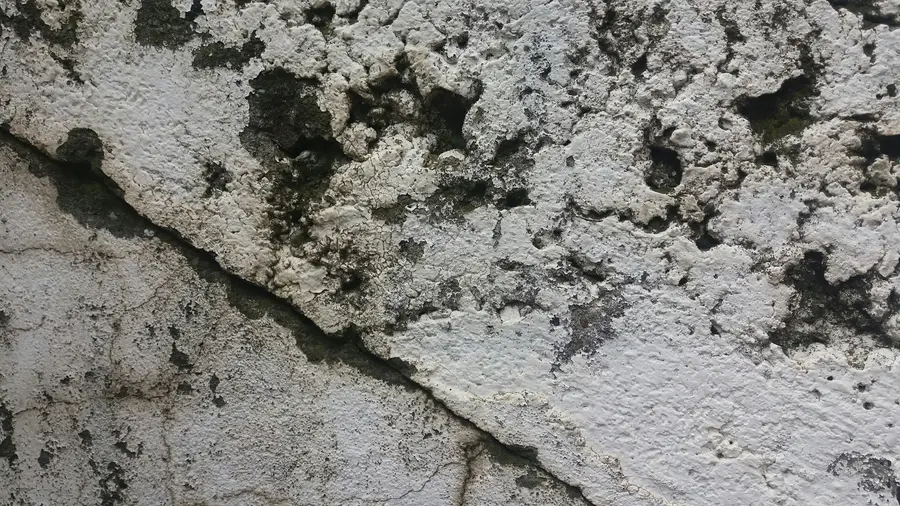
Why poured concrete walls crack
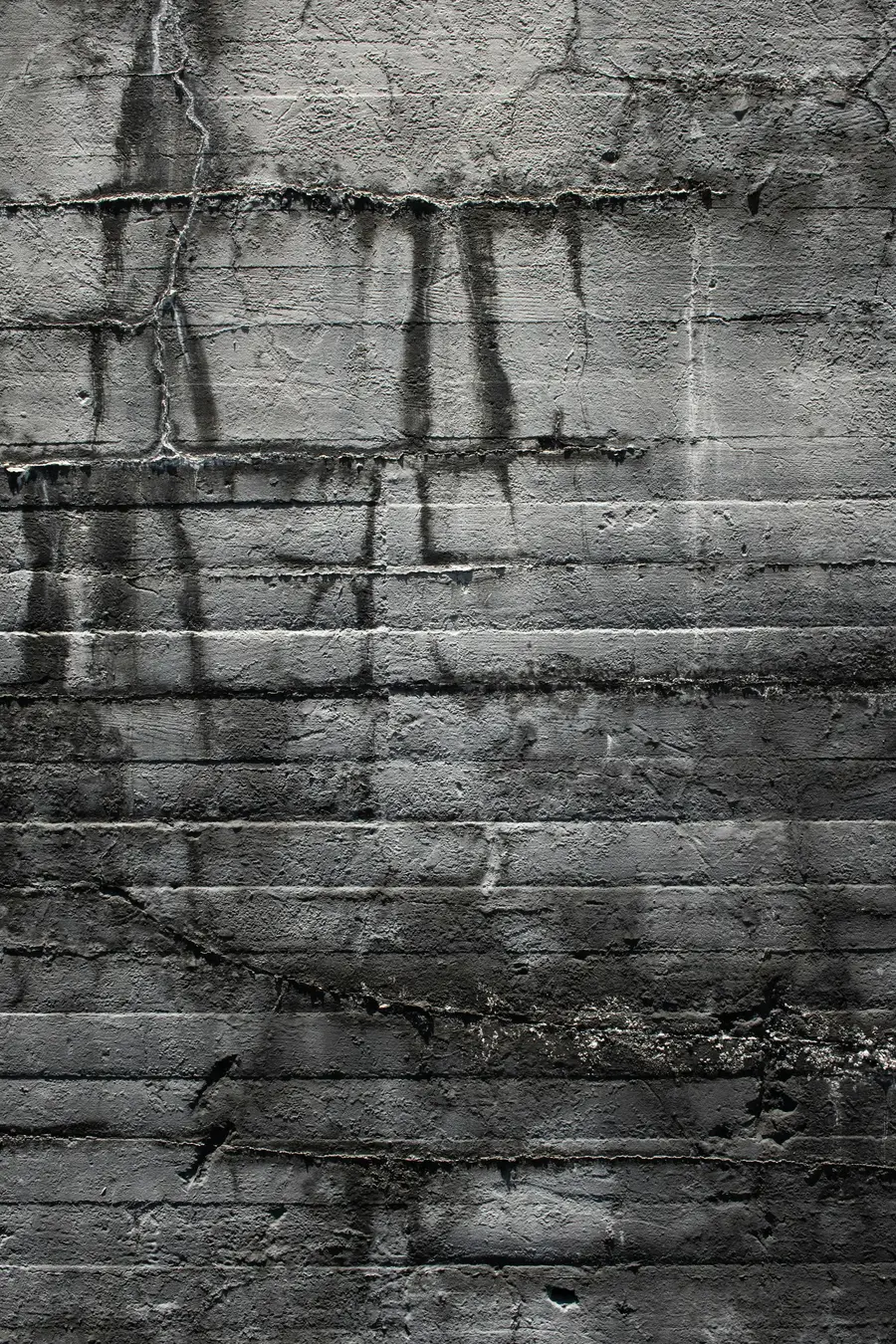
Concrete shrinks as it cures. A poured wall cracks where it is weakest: below a window, at a corner, at a change in height, or where a pipe passes through. These shrinkage cracks are usually vertical or slightly diagonal, hairline to a few millimetres wide, and they run through the full 200 mm thickness of the wall. That is why a crack that looks small can let in a lot of water: the soil outside is pressing water against the whole depth of it.
Caledon houses from the 1970s onward, and all of the Mayfield West and Bolton subdivisions, have poured walls, so this is the most common single repair we do in those areas.
How injection works
- The crack is cleaned and the surface is sealed with a paste so the resin cannot run back out.
- Injection ports are set along the crack, roughly every 20 to 30 cm.
- Polyurethane is injected at low pressure, port by port, from the bottom up. It travels through the crack to the outside face of the wall and expands on contact with water, filling the full thickness.
- The ports are removed and the surface seal is ground flush.
Polyurethane or epoxy
Polyurethane stays flexible, so the seal survives the small movement every wall makes between winter and summer, and it bonds in a wet crack. Epoxy is rigid and structural; it is used when a crack is a structural concern and the wall must be bonded back into one piece, which needs a dry crack and an engineer’s opinion. For a leaking shrinkage crack, polyurethane is the repair.
When a crack is more than a leak
A horizontal crack, a stair-step crack in block, a crack wider than about 6 mm, or one side of a crack that sticks out past the other is a sign of movement, not shrinkage. We say so at the assessment and recommend an engineer before any repair; sealing it would hide the problem.
Questions about foundation crack repair
Does the crack have to be dry?
No. Polyurethane reacts with water and expands, so it can be injected into a crack that is actively leaking.
Will the crack come back?
A properly injected shrinkage crack stays sealed through the wall’s normal seasonal movement. New cracks can form elsewhere in a wall that is still settling; they are separate repairs.
Can a crack be repaired from outside instead?
Yes, by excavating and applying a membrane over it, which is the method when the wall is also being waterproofed. For a single crack with no other symptoms, injection from inside costs less and needs no digging.
Is a crack a problem when selling a house?
A home inspector will note any visible crack. A crack that has been injected, with a receipt describing the repair, answers the question before it is asked.
Next step
One wet line on the wall? Send a photo
Use the form, describe where the crack is and when it leaks, and we call back to book a visit.
Book a free assessment