Sump pumps and battery backup
A sump system takes the water collected by a drain and sends it outside. In Caledon, where outages in a wind storm are not rare and many houses sit on a high water table, the backup pump matters as much as the main one.
- Includespit, pump, check valve, discharge
- Backupbattery or water-powered
- Seasonall year

What a sump system is made of
- The pit. A perforated liner set into the floor and bedded in clear stone, so water from the drain and from under the slab can enter it. It is sized for the amount of water the house actually produces.
- The pump. A submersible pump on a solid base, so it does not sit in silt. The float switch has room to move freely; a float that catches on the liner is the most common cause of a failed pump.
- The check valve. A one-way valve on the discharge pipe, so water in the pipe does not run back into the pit every time the pump stops and make it cycle.
- The discharge line. Runs outside and ends far enough from the foundation that the water does not come straight back. It is never pointed at a septic bed, a well head or a neighbour’s lot.
- The backup. A battery-powered second pump that starts when the power is out or the main pump fails. Where there is municipal water pressure, a water-powered backup is an alternative; on a private well it is not, because the well pump is also off in an outage.

Why the backup matters in Caledon
A sump pump runs hardest during a thaw or a storm, which is also when branches come down on power lines. Without a backup, the pit fills, overflows, and the basement floods while the power is out. A battery backup runs for hours; the exact time depends on the battery and how often the pump has to cycle, and it is stated for your system in the quote.
Signs the existing pump needs attention
- It runs constantly or cycles on and off every few seconds (a check valve or float problem).
- It hums but does not pump, or it is more than about ten years old.
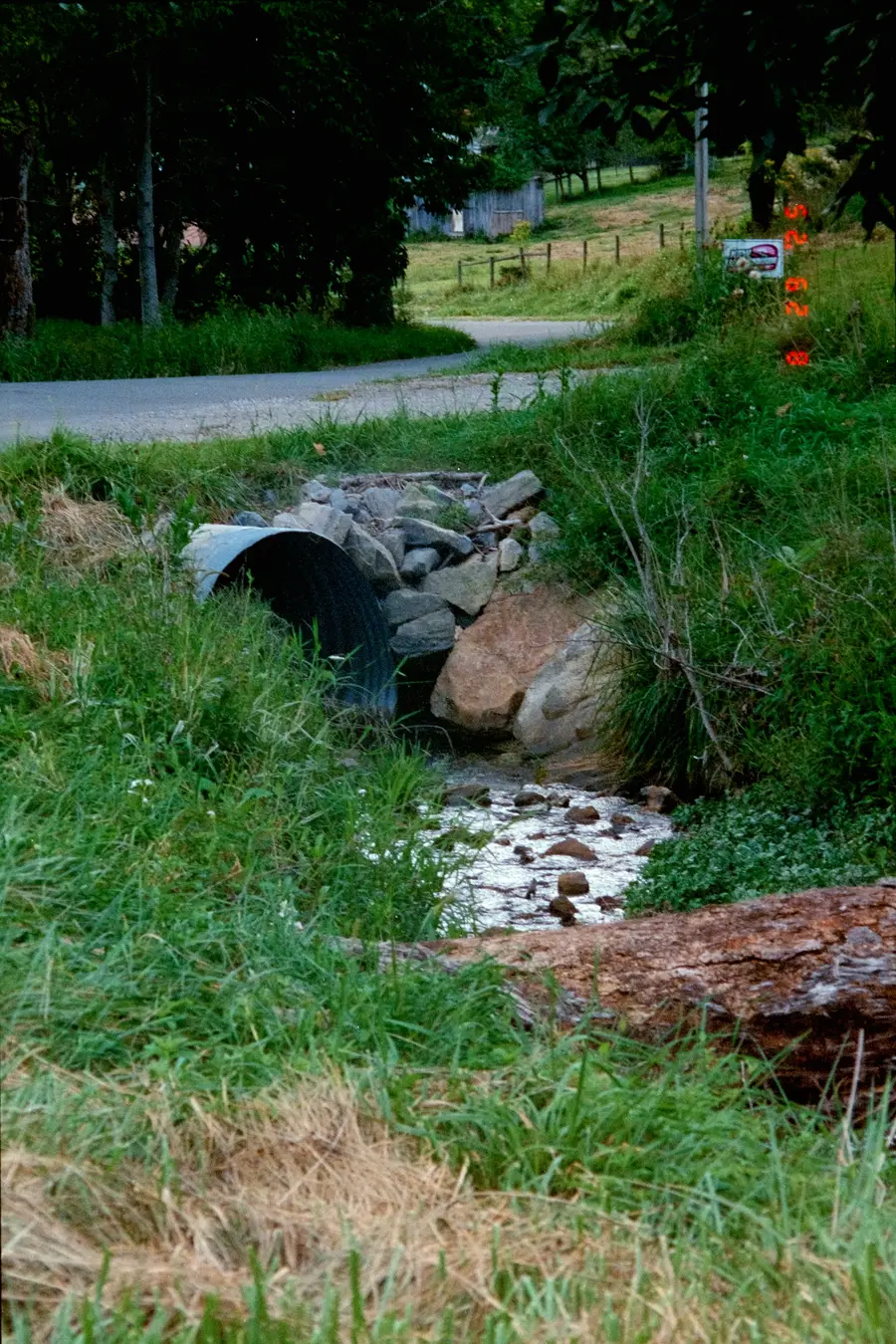
- The discharge pipe ends at the wall, or freezes in winter.
- There is no backup, or the backup battery has never been tested.
Questions about sump pumps and battery backup
How often should a sump pump be tested?
Twice a year: pour a bucket of water into the pit and watch the pump start, pump down and stop. Do it before the spring thaw and before freeze-up, and test the backup at the same time by unplugging the main pump.
Where does the water go?
Outside, through a pipe that ends on ground sloping away from the house, at least a few metres from the foundation. On a lot with a storm sewer connection, the discharge may be piped to it where the municipality allows. It never goes into a septic system or a sanitary drain.
Can the discharge line freeze?
Yes, if it is shallow and holds water. The line is sloped so it drains after each cycle, and a freeze-relief fitting near the house lets water escape if the outer end ices over.
Is a sump pump noisy?
A pump on a solid base with a check valve and a properly supported discharge pipe makes a short hum each cycle. Banging, rattling or a loud thud when it stops points to a missing check valve or a loose pipe.
Next step
Pump, pit and backup checked in one visit
If you already have a sump, the assessment covers whether it is sized and installed properly and what a backup would involve.
Book a free assessment