Step 1
You call or send the form
Tell us what you see, when it happens and where in the basement. Photos help. If water is coming in now, say so: the phone is answered at any hour and a flooded basement is dealt with first.
Five steps, the same for a single crack and for a full perimeter system. You know the scope and the price before anything is booked.
Step 1
Tell us what you see, when it happens and where in the basement. Photos help. If water is coming in now, say so: the phone is answered at any hour and a flooded basement is dealt with first.
Step 2
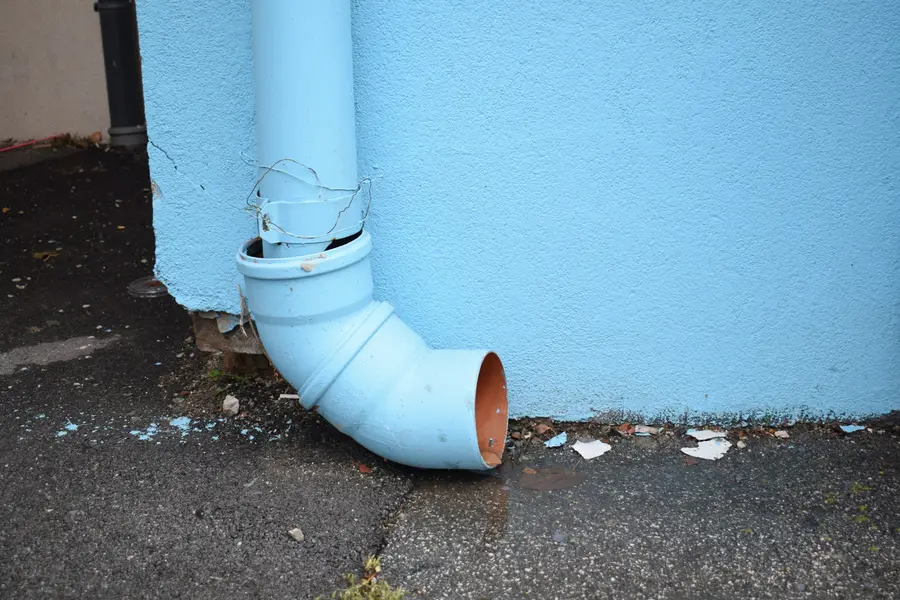
Inside: walls, floor edge, cracks, floor drain, sump pit, window frames. Outside: the slope of the ground, every downspout, window wells, paving against the wall, and where the well, the septic tank and the leaching bed are. You are shown what was found as we go.

Step 3
The quote states which walls or fixtures are treated, the method, the materials, what is removed and reinstated, how long it takes and the price. If the answer is a downspout extension or a window well cover, it says that.
Step 4
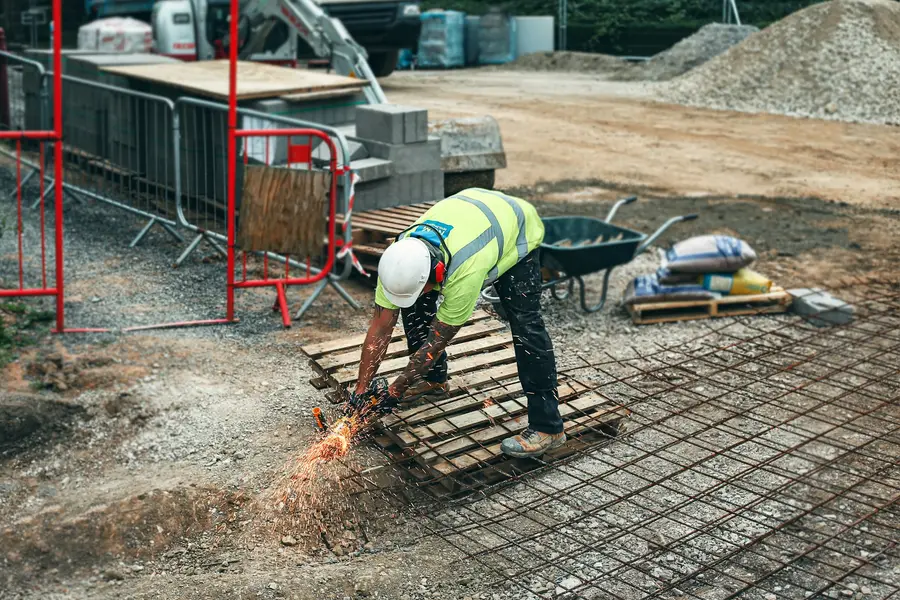
Floors and paths used by the crew are covered, the work area is sealed off from the rest of the house, and the site is cleaned at the end of each day. Outside, spoil goes on sheeting and topsoil goes back last.
Step 5: the water test and the paperwork. Drains, pumps and valves are run with water before the crew leaves, with you watching. You receive an itemized invoice; for a backwater valve it is the document the Region of Peel rebate asks for, together with the permit and the inspection.
Before the visit
They shorten the assessment and make the diagnosis more certain.
During rain, a day later, only in the spring thaw, after the power went out, or all the time.
Which wall, how high up, at a window, a crack, the floor drain, or the middle of the floor.
Clear water is groundwater. Grey or smelly water points to the sewer or, on a rural lot, the septic system.
Whether the house is on a well or municipal water, and on septic or a Peel sewer. It changes which repairs apply and where we can dig.