Weeping tile and window wells
The weeping tile is the drain at the footing that keeps groundwater from building up against the wall. When it silts up, collapses or was never installed, the wall gets wet from the bottom. Window wells are the same problem one metre higher.
- Replacesclay or collapsed footing drains
- Addswindow well drains
- Checksdownspouts and grading

What the weeping tile does
A weeping tile is a perforated pipe laid beside the footing all the way around the house. Groundwater reaching the foundation drops into it and is carried to a gravity outlet, a storm sewer or a sump pit, so it never builds up pressure against the wall. When it works, the wall stays dry at the bottom. When it fails, water sits against the footing and comes in at the floor-wall joint.
How Caledon drains fail
- No drain at all. Farmhouses and village houses from before the 1950s were often built without one. The wall relied on good grading, and sixty years of settlement have removed that.
- Clay tile, 1950s to 1970s. Short clay sections laid end to end. Roots grow into the gaps, silt fills them, and sections shift and break.
- Early plastic pipe without a filter. Fine soil washes into the perforations until the pipe is a solid tube of silt.
- A dead outlet. The drain was tied to a storm connection or a ditch that was later filled, so it has nowhere to send the water.
Replacement
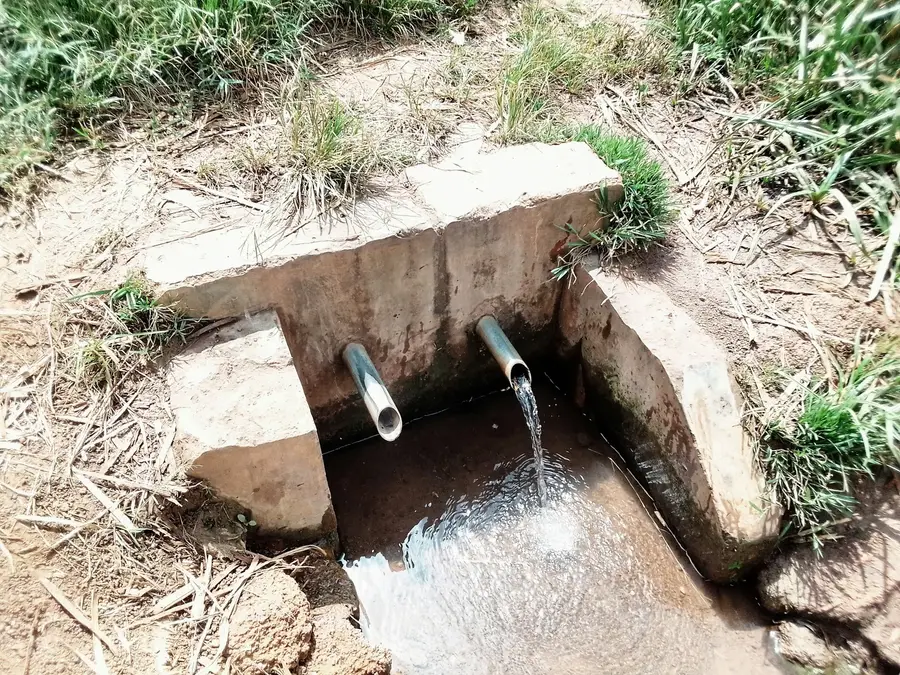
The old drain is exposed by excavating to the footing, removed, and replaced with perforated pipe bedded in clear stone and wrapped in filter fabric, so fines cannot enter it again. The new drain is given a working outlet: by gravity to lower ground where the lot allows, otherwise to a sump pit. Because the wall is already exposed, replacement is normally done together with exterior waterproofing of that wall.
Window wells
A window well with no drain is a bucket. Rain and roof water fill it, and the water comes in through the window frame or over the sill. The fix is a drain in the bottom of the well, bedded in clear stone and connected to the weeping tile or run to a dry well, plus a cover if leaves are the problem.
Downspouts and grading
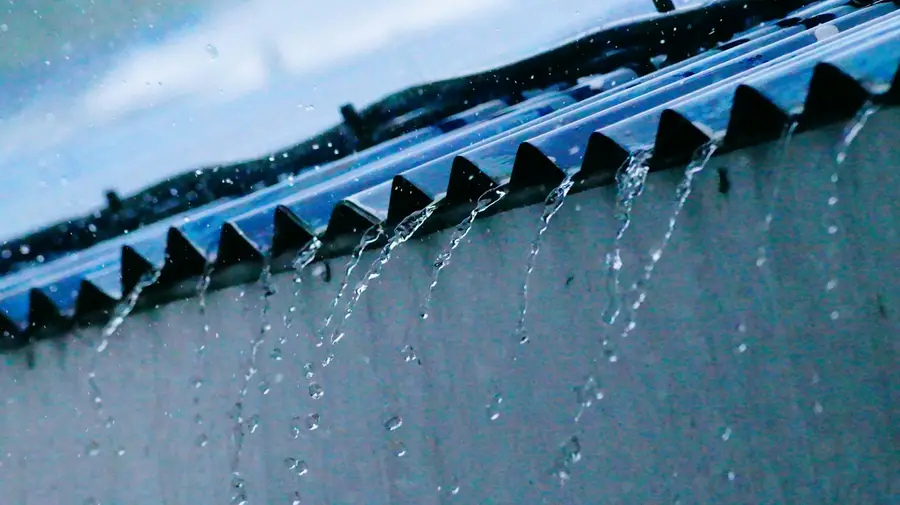
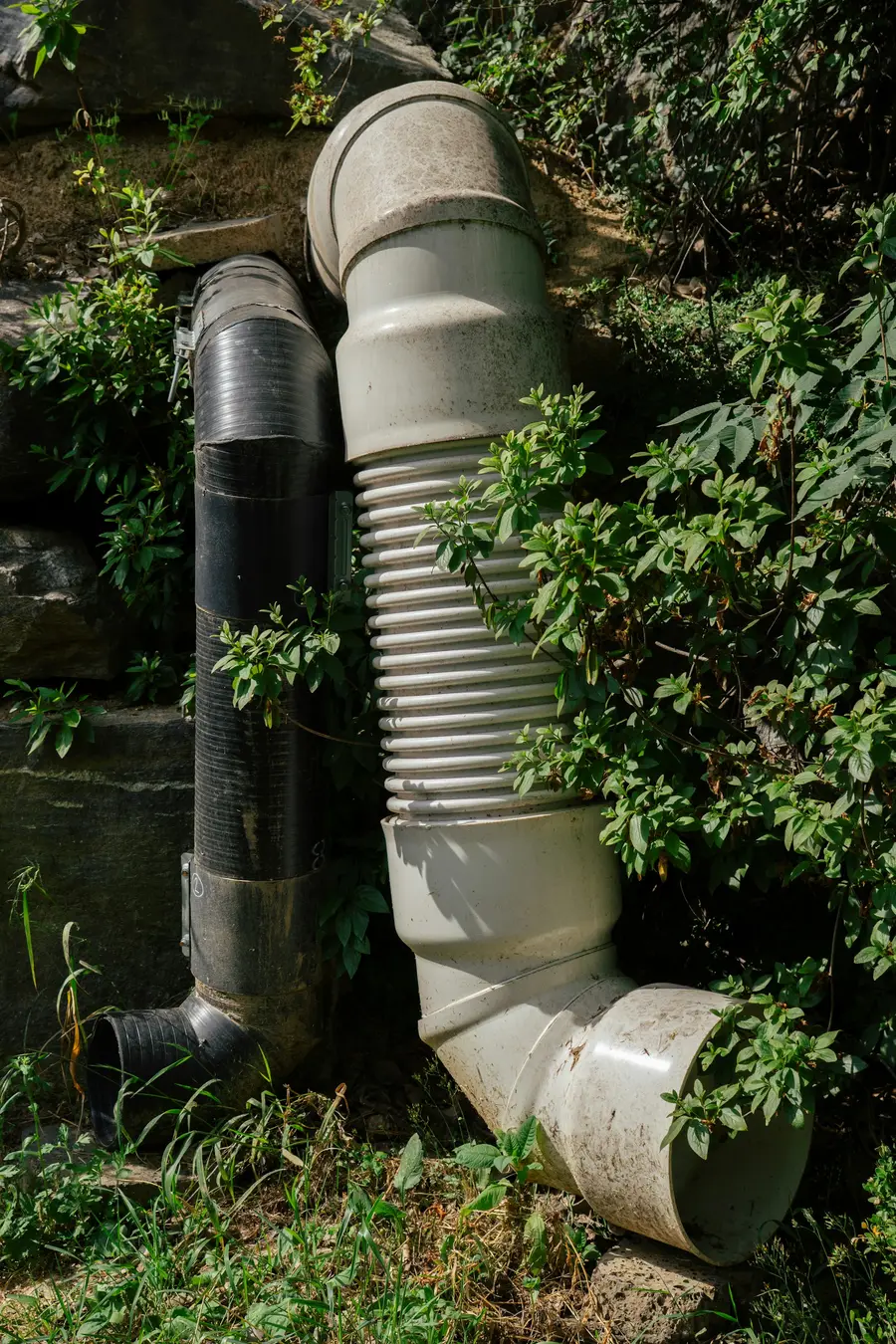
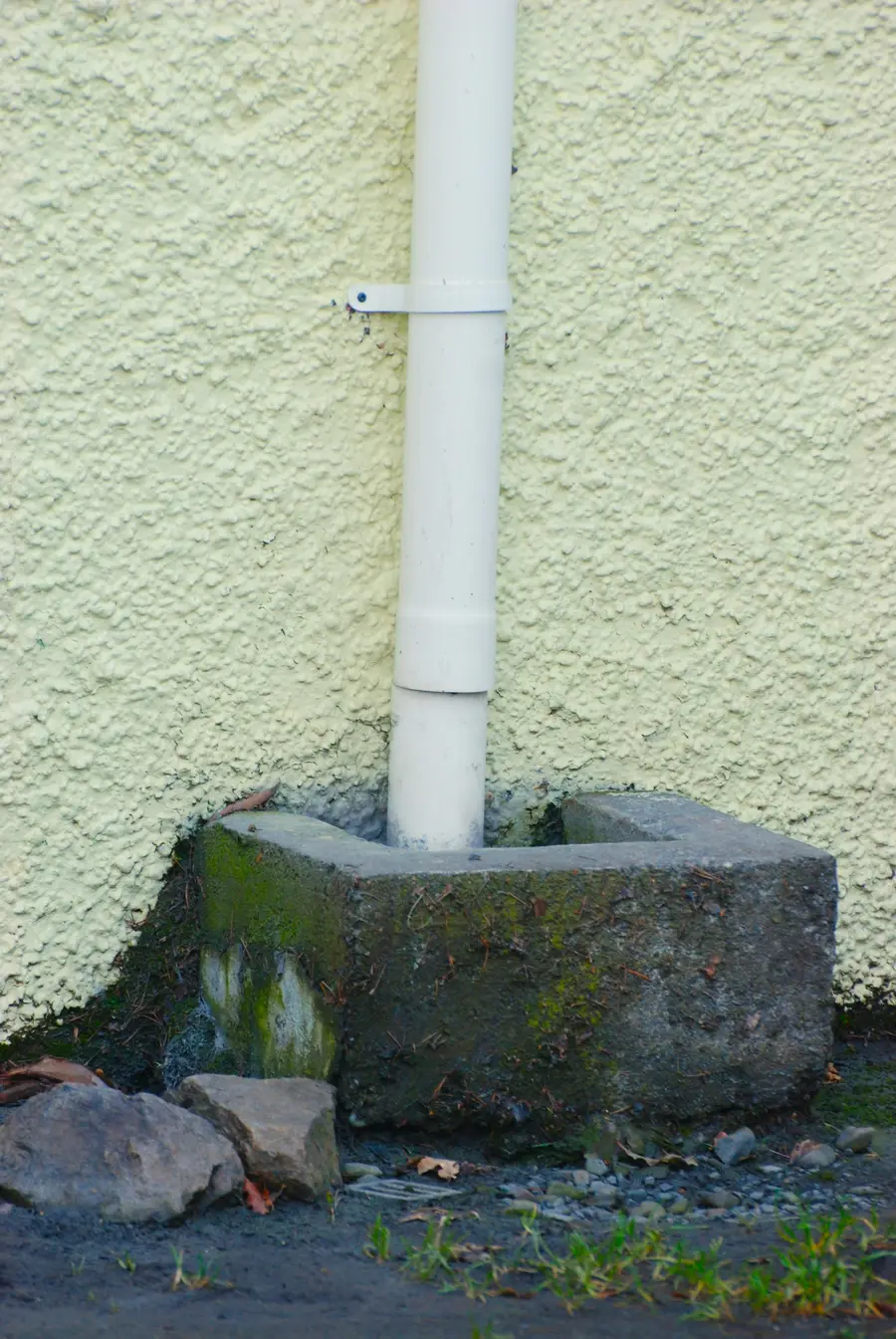
Every assessment checks where each downspout ends and which way the ground slopes within two metres of the wall. Roof water should land on ground that falls away from the house. A downspout extension or a regraded flower bed sometimes fixes a wet wall on its own, and when that is the case the assessment says so.
Questions about weeping tile and window wells
How do I know if my weeping tile has failed?
A wall that is damp along its whole base after rain, water at the floor-wall joint on more than one wall, and a sump that rarely runs even in a wet spring all point at a drain that is not carrying water. A camera inspection through the sump pit or a cleanout confirms it.
Can the old drain be flushed instead of replaced?
Sometimes. A plastic drain with a silt problem and an intact outlet can be jetted. Clay tile that has shifted or collapsed cannot; flushing moves the blockage to the next break.
Do window wells need a cover?
A cover keeps leaves and snow out and makes the drain last longer. It is not a substitute for the drain: a covered well with no drain still fills from the soil around it.
Next step
Start with the cheap fixes
The assessment checks downspouts, grading and window wells before any drain is recommended. Sometimes that is the whole job.
Book a free assessment